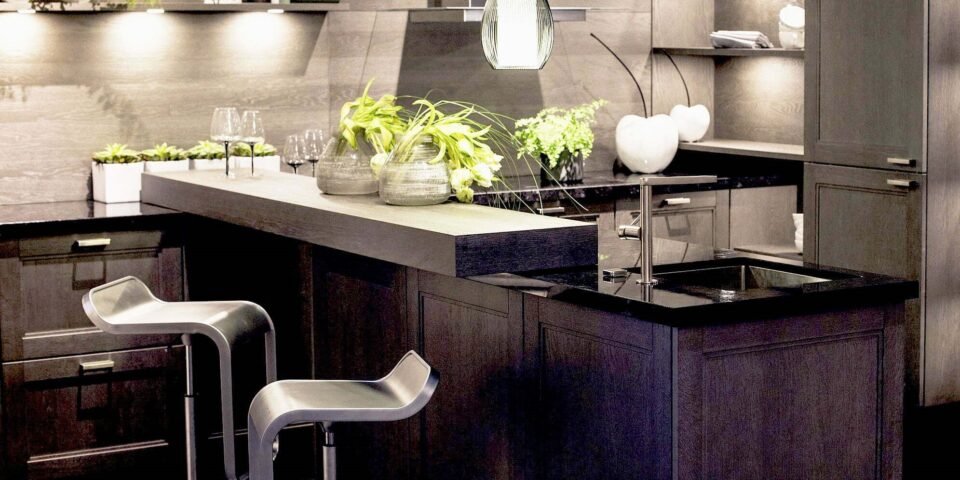
In recent years, the kitchen has evolved from being a purely functional space to the heart of the home a place where families gather, meals are prepared, and memories are made. One of the most popular additions to modern kitchens is the breakfast bar, a versatile feature that combines style, functionality, and social interaction. Among the various materials available for breakfast bars, wooden options like oak worktops, laminate worktops, and Oasis worktops have gained significant attention for their aesthetic appeal and sustainability. In this blog, we’ll explore the functionality and sustainability of wooden breakfast bars, and why they are an excellent choice for your kitchen.
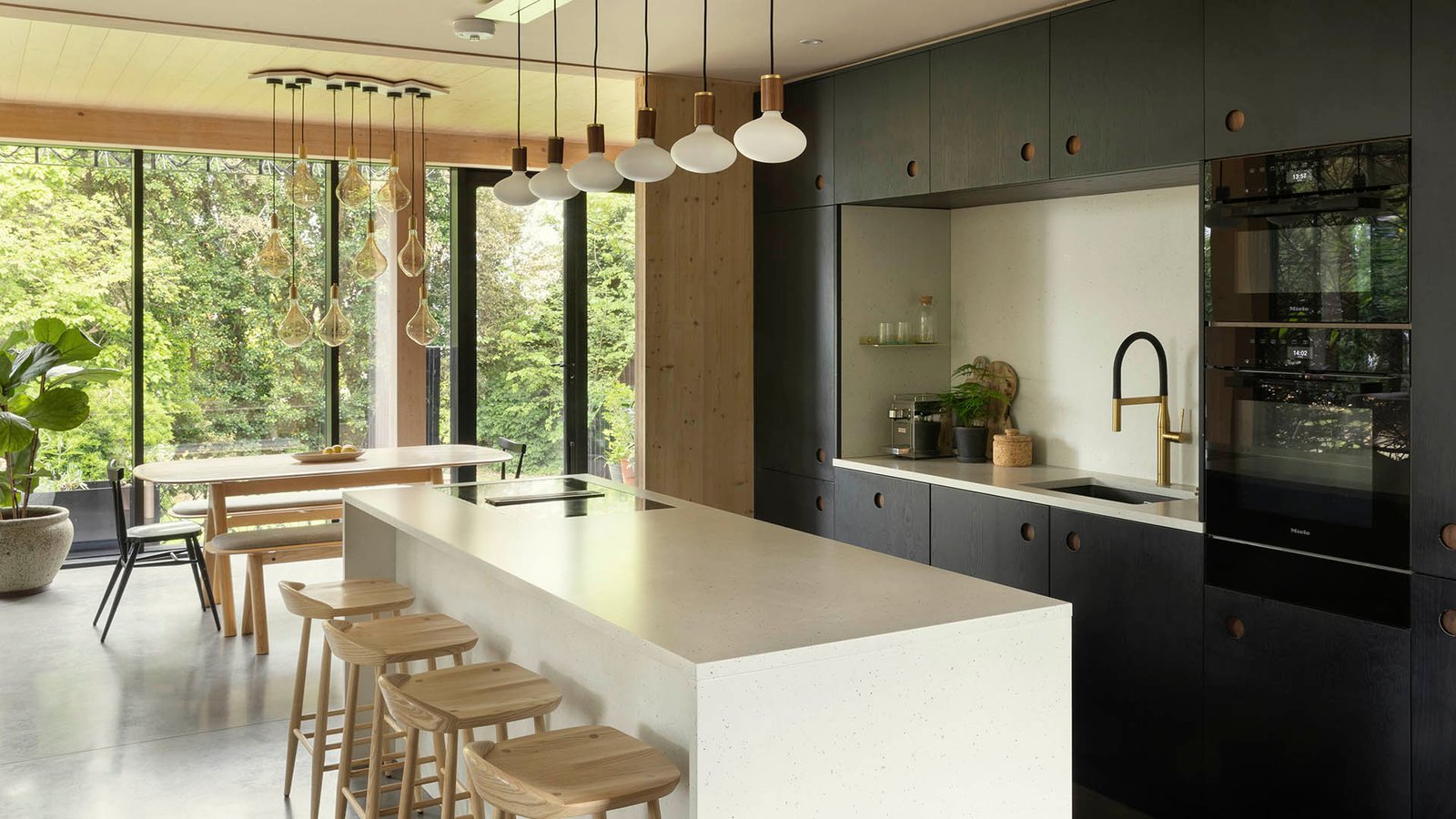
What is a Breakfast Bar?
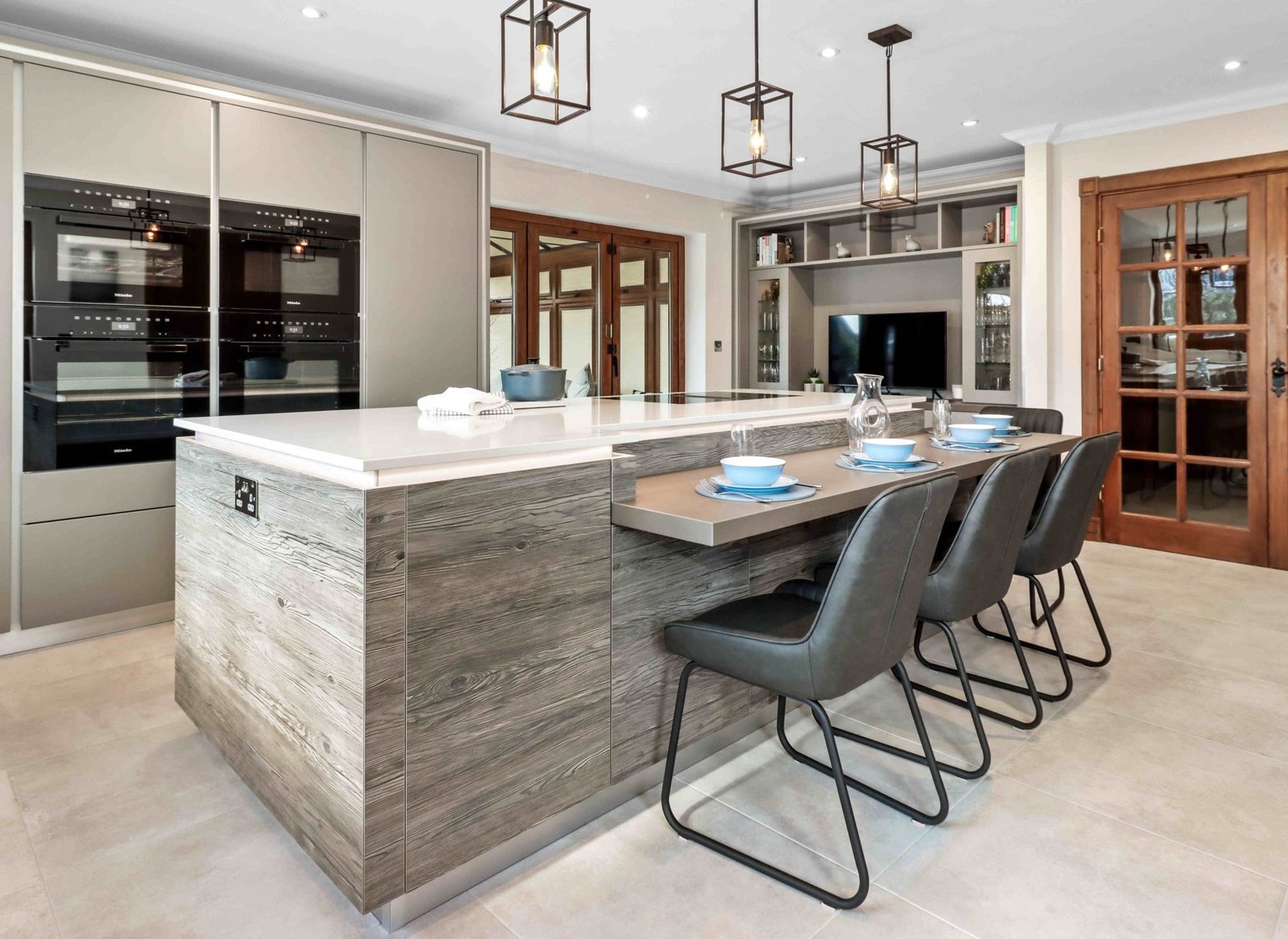
A breakfast bar is a raised counter or table-like surface typically attached to a kitchen island or wall. It serves as a casual dining area, a spot for quick meals, or even a workspace for meal prep. Breakfast bars are designed to be multifunctional, offering additional seating and storage while enhancing the overall aesthetic of the kitchen. They are particularly popular in open-plan living spaces, where they create a seamless transition between the kitchen and living areas.
When it comes to materials, wooden breakfast bars stand out for their timeless appeal and durability. Whether you opt for a solid oak worktop, a sleek laminate worktop, or a sustainable Oasis worktop, wood brings warmth and character to any kitchen design.
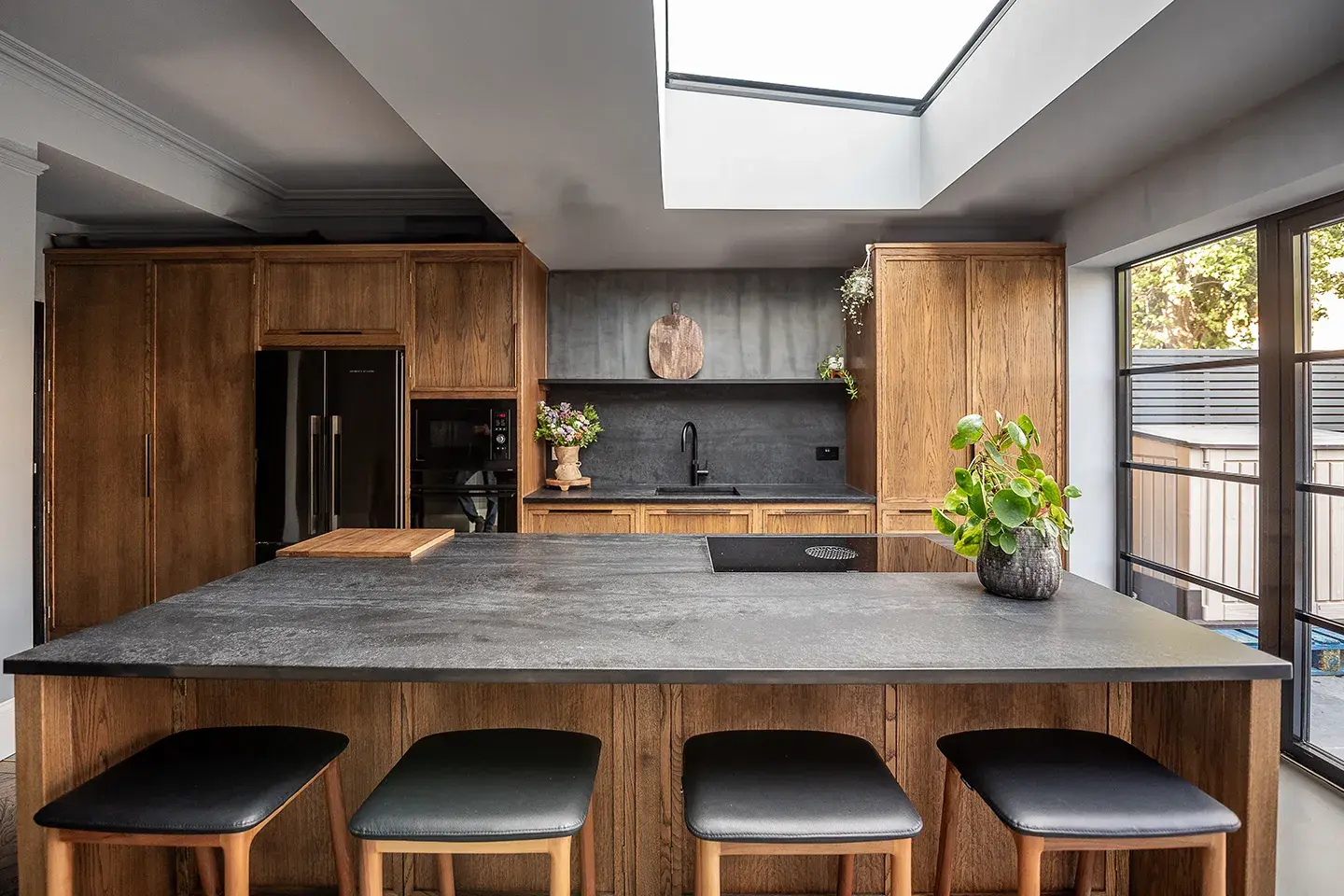
Functionality of Wooden Breakfast Bars
1. Versatility in Design
Wooden breakfast bars are incredibly versatile, complementing a wide range of kitchen styles—from rustic farmhouse to modern minimalist. For instance, an oak worktop adds a natural, earthy feel to the kitchen, while a laminate worktop can mimic the look of wood with added durability and ease of maintenance. The Oasis worktop, known for its eco-friendly properties, offers a contemporary finish that appeals to environmentally conscious homeowners.
2. Durability and Strength
Wood is a robust material that can withstand daily wear and tear, making it ideal for high-traffic areas like the kitchen. Hardwoods such as oak are particularly durable, resistant to scratches, and can last for decades with proper care. Even laminate worktops, which are engineered to replicate the look of wood, offer excellent resistance to stains, heat, and impact.
3. Comfort and Warmth
Unlike cold, hard surfaces like stone or metal, wooden breakfast bars provide a warm and inviting feel. This makes them perfect for casual dining or socializing, as they create a cozy atmosphere that encourages interaction.
4. Space Optimization
Breakfast bars are an excellent solution for small kitchens, as they maximize space without the need for a separate dining table. A wooden breakfast bar can double as a prep area, a serving station, or even a home office desk, making it a practical addition to any kitchen.
5. Easy Maintenance
Wooden worktops, including oak worktops and *aminate worktops, are relatively easy to maintain. Regular cleaning with a damp cloth and mild detergent is usually sufficient to keep them looking their best. For added protection, wooden surfaces can be treated with oils or sealants to prevent moisture damage and staining.
Sustainability of Wooden Breakfast Bars
As sustainability becomes a key consideration in home design, wooden breakfast bars are emerging as a popular choice for eco-conscious homeowners. Here’s why:
1. Renewable Resource
Wood is a renewable resource, especially when sourced from responsibly managed forests. Materials like oak worktops and Oasis worktops are often certified by organizations such as the Forest Stewardship Council (FSC), ensuring that they come from sustainable sources.
2. Low Carbon Footprint
Compared to synthetic materials, wood has a significantly lower carbon footprint. Trees absorb carbon dioxide during their growth, which means that wooden products act as carbon sinks, helping to reduce greenhouse gas emissions. Additionally, the production process for wooden worktops requires less energy than that of materials like concrete or steel.
3. Recyclability and Biodegradability
At the end of their lifecycle, wooden breakfast bars can be recycled or repurposed into other products. Unlike plastic or composite materials, wood is biodegradable, meaning it won’t contribute to landfill waste.
4. Eco-Friendly Alternatives
For those looking for even more sustainable options, Oasis worktops are an excellent choice. Made from recycled wood fibres and eco-resins, these worktops offer the look and feel of natural wood while minimizing environmental impact.
5. Longevity
One of the most sustainable aspects of wooden breakfast bars is their longevity. High-quality wood, such as oak, can last for decades with proper care, reducing the need for frequent replacements and minimizing waste.
Choosing the Right Wooden Breakfast Bar for Your Kitchen
When selecting a wooden breakfast bar, it’s important to consider your specific needs and preferences. Here are some popular options to explore:
1. Oak Worktops
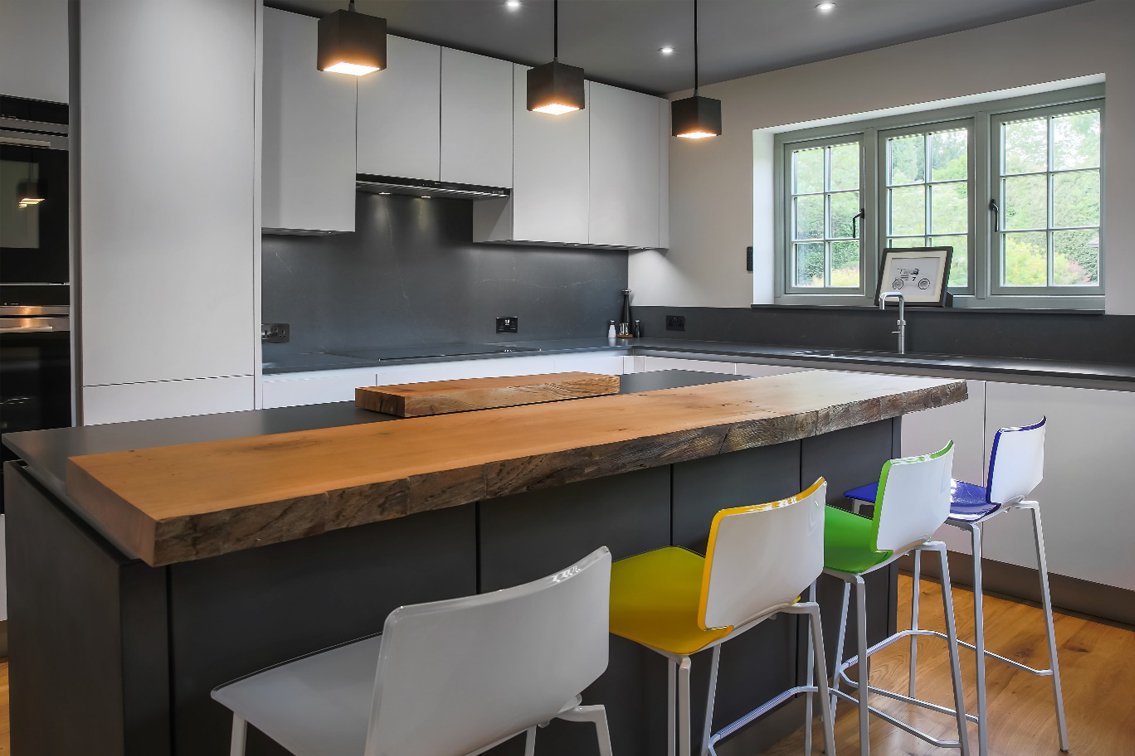
Oak is a classic choice for breakfast bars, known for its strength, durability, and beautiful grain patterns. It’s perfect for traditional or rustic kitchens and can be stained or oiled to enhance its natural beauty.
2. Laminate Worktops
If you’re looking for a budget-friendly and low-maintenance option, laminate worktops are worth considering. They are available in a wide range of wood-effect finishes, allowing you to achieve the look of real wood without the upkeep.
3. Oasis Worktops
For eco-conscious homeowners, Oasis worktops are an innovative and sustainable choice. Made from recycled materials, they offer a modern aesthetic and excellent durability.
4. Other Hardwoods
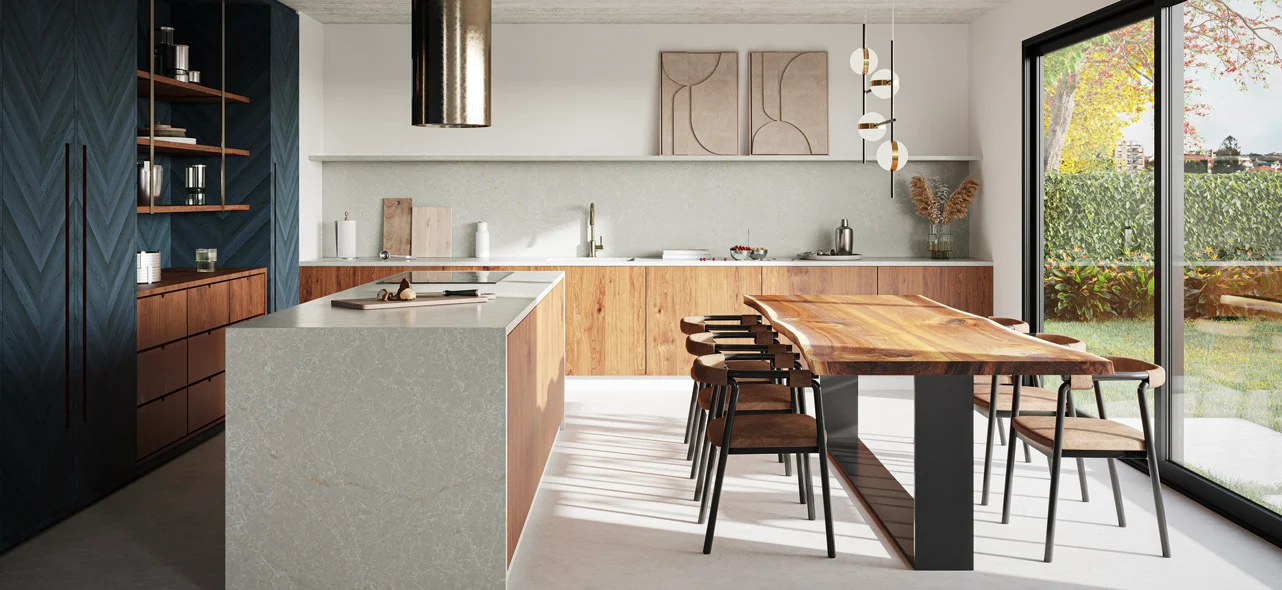
In addition to oak, other hardwoods like walnut, maple, and cherry can be used for breakfast bars. Each type of wood has its own unique characteristics, so you can choose one that complements your kitchen’s style.
Tips for Maintaining Your Wooden Breakfast Bar
To ensure your wooden breakfast bar remains functional and beautiful for years to come, follow these maintenance tips:
1. Clean Spills Immediately: Wipe up any spills as soon as they occur to prevent staining or water damage.
2. Use Cutting Boards: Avoid cutting directly on the surface to prevent scratches and dents.
3. Apply Protective Coatings: Regularly treat your wooden worktop with oils or sealants to maintain its finish and protect it from moisture.
4. Avoid Harsh Cleaners: Use mild detergents and avoid abrasive cleaners that can damage the wood.
5. Sand and Refinish: Over time, you may need to sand and refinish your wooden breakfast bar to restore its appearance.
Conclusion
Wooden breakfast bars are a perfect blend of functionality, style, and sustainability. Whether you choose a classic oak worktop, a practical laminate worktop, or an eco-friendly Oasis worktop, you’re investing in a feature that enhances your kitchen’s aesthetic and usability. With their durability, warmth, and eco-friendly properties, wooden breakfast bars are a timeless addition to any home.
As we continue to prioritize sustainability in our lifestyles, opting for materials like wood is a small but impactful step toward creating a greener future. So, if you’re planning a kitchen upgrade, consider a wooden breakfast bar it’s a choice that’s good for your home and the planet.
By incorporating keywords like breakfast bar, kitchen worktop, laminate worktop, Oasis worktop and oak worktop, this blog not only provides valuable information but also improves SEO visibility for those searching for wooden kitchen solutions. Whether you’re a homeowner, designer, or sustainability enthusiast, wooden breakfast bars offer endless possibilities for creating a functional and eco-friendly kitchen space.