
Antique White Worktop 30mm x 1.5m x 600mm
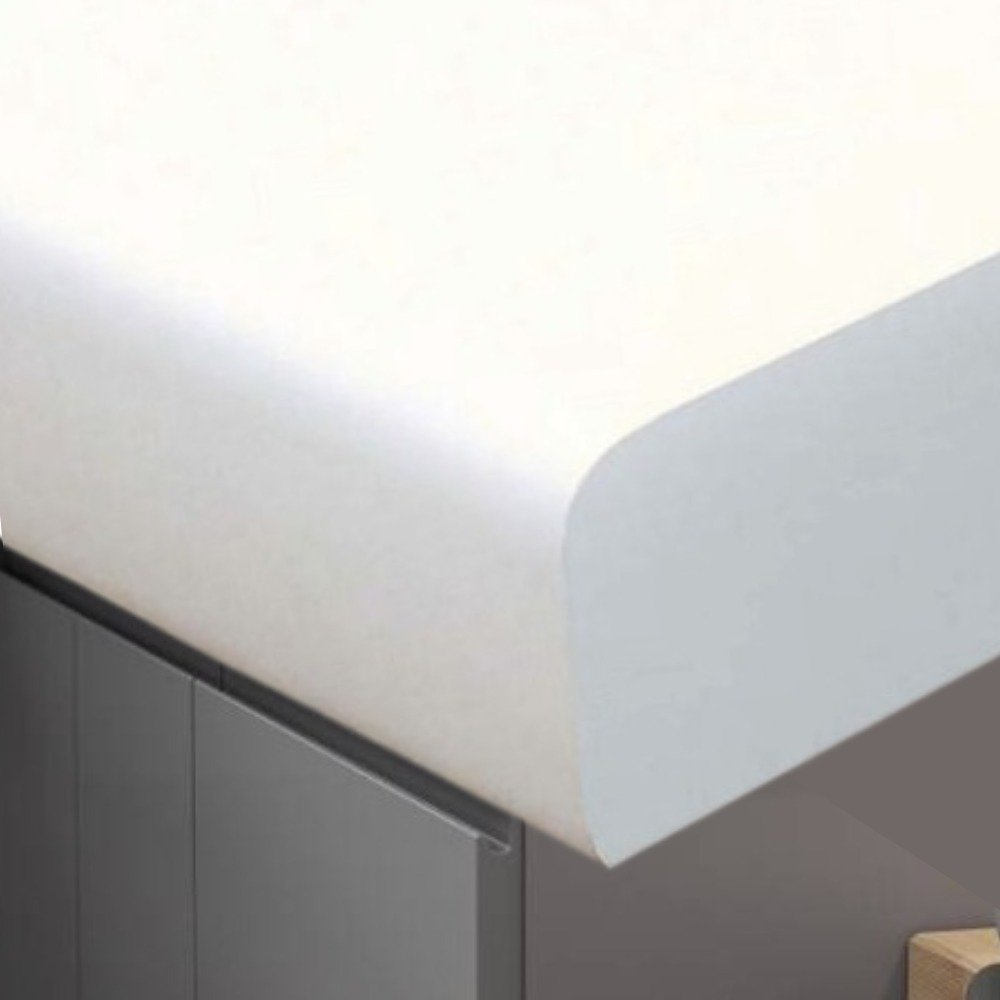
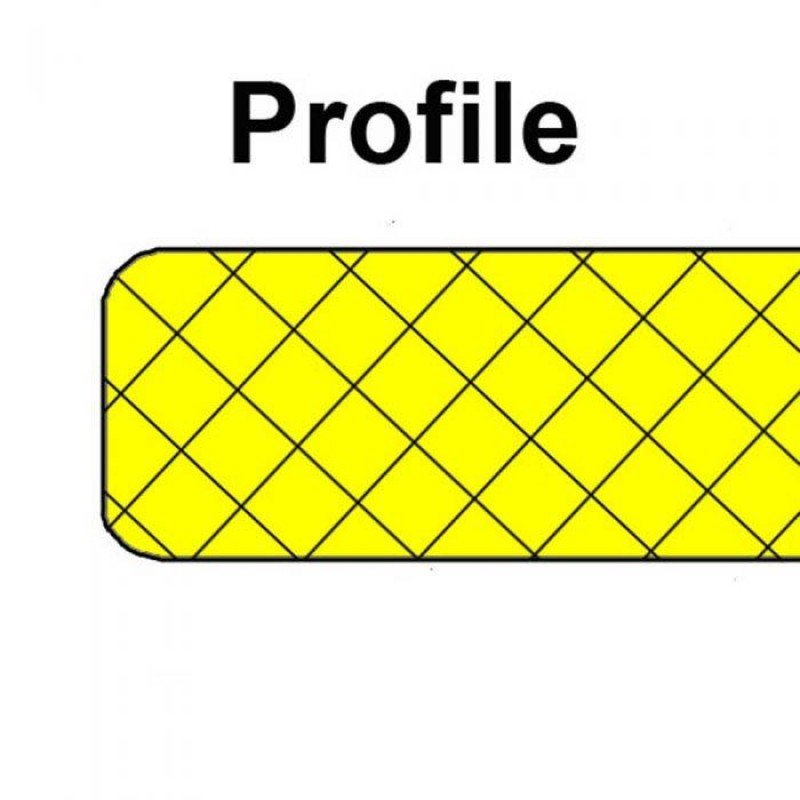
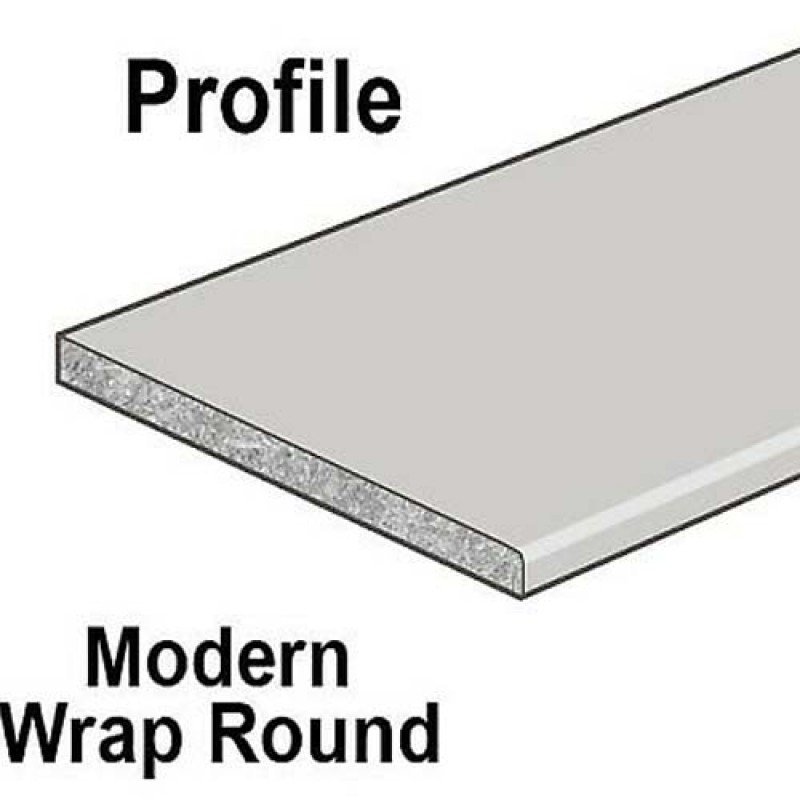
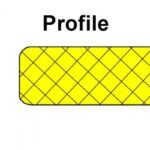
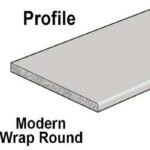
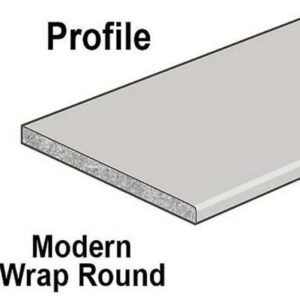
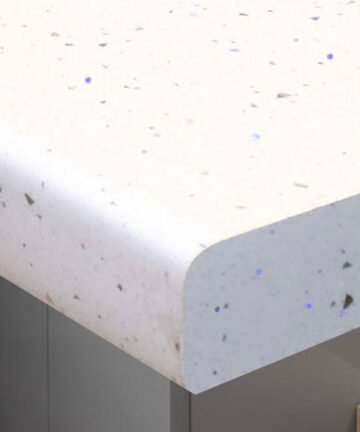
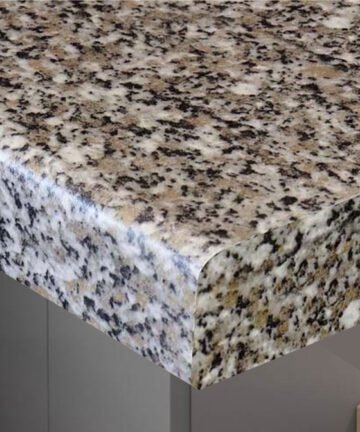
This antique white worktop 30mm x 1.5m brings a plain white finish to the kitchen in a 1500mm x 600mm piece, 30mm thick. The front edge has a smooth, rounded wrap round profile, as the profile drawing in the photos shows, so there is no sharp corner to catch hips, hands or cloths.
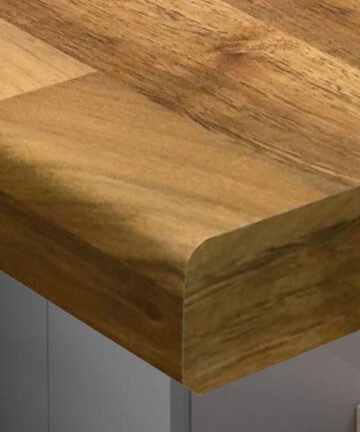
Antique White is a plain white worktop with no pattern, giving a clean, simple and timeless look. It keeps a kitchen bright and makes a small room feel larger, and it pairs well with almost any unit colour, from white gloss and grey to navy, sage and wood-effect doors.

Key features of the antique white worktop 30mm x 1.5m
- Colour: Antique White, plain white
- Thickness: 30mm
- Length: 1500mm (1.5m)
- Depth: 600mm
- Edge: rounded, modern wrap round profile
- Use: kitchen and utility room worktops
- Quantity: 1 piece

The Antique White finish
Before ordering, compare the colour photos with your cabinet doors and floor in natural daylight: worktops look different under warm artificial light. The antique white worktop 30mm x 1.5m pattern runs along the length of the piece, so plan any joints and cut-outs where the pattern will line up neatly.
Choosing the length
A 1500mm (1.5 metre) length covers a run of two or three base units, a small kitchen wall, or the gap between a corner and the cooker. It is a manageable size to carry and fit, and many small kitchens need little more. At 30mm thick and 600mm deep, it suits standard base units.
Measure each run from the wall to the end of the last unit, add a little extra for trimming, and decide where any joints will fall, ideally away from the sink.
Cutting and fitting
Dry-fit the antique white worktop 30mm x 1.5m on the units before fixing anything. Mark cuts carefully, protect the cutting line with masking tape and cut from the decorative face with a fine-toothed blade so the edge stays clean. Support both sides of the cut so the piece does not drop or chip at the end of the cut.
Fix worktops to the base units from underneath with brackets or screws that are shorter than the worktop is thick, and check everything is level along the run before fixing.
Sealing edges and cut-outs
Water getting into cut edges and joints is the most common cause of worktop damage, so seal every cut edge, joint and sink or hob cut-out with a suitable sealant before fitting, following the instructions supplied with your sealant. Finish the back edge against the wall with an upstand or a bead of silicone, and use matching edging strips on exposed ends. Browse our upstands and edging strips to finish the job.
Everyday care
Wipe the surface with a soft cloth and warm water with a little mild detergent, then dry it. Mop up spills straight away, especially around the sink and along joints. Avoid scouring pads, abrasive creams and harsh solvents, which can dull the finish.
Always use a chopping board for knives and a trivet or pan stand under hot pans, kettles and slow cookers rather than putting them straight onto the surface. Browse our chopping boards for a matching set.
Joining two lengths
Where two worktops meet in a corner or along a long run, the joint needs to be tight and sealed. Many fitters use a worktop joint strip, which covers the cut ends neatly, or a mason’s mitre cut with a jig for a seamless look. Whichever you choose, seal the joint before the pieces are pulled together, wipe away any excess straight away, and plan joints away from the sink where water collects. A single long piece of antique white worktop 30mm x 1.5m avoids joints altogether on a straight run.
Sink and hob cut-outs
Use the template supplied with your sink or hob to mark the cut-out, drill a starting hole in each corner and cut with a jigsaw fitted with a fine blade, supporting the waste piece so it does not break away and chip the surface. Seal the raw edges of the cut-out thoroughly before fitting the sink or hob, and use the seal supplied with the appliance. Leave the gap around a hob that the hob maker recommends.
30mm or 40mm thick?
Worktop thickness changes the look of a kitchen. A 40mm edge has a classic, chunky presence that suits traditional and shaker kitchens, while a 30mm edge looks slimmer and more contemporary. The antique white worktop 30mm x 1.5m is 30mm thick; keep the same thickness across a kitchen so joints and upstands line up.
Planning a kitchen refresh
Changing the worktops is one of the quickest ways to transform a kitchen without replacing the units. Pair a new plain white surface with fresh handles, a new sink or tap and matching upstands, and the whole room looks updated. Order all lengths in one go so every piece of the antique white worktop 30mm x 1.5m range comes from the same batch and matches.
Measuring an L-shaped or U-shaped kitchen
Draw a simple plan of the room and measure each run of units along the wall, from the wall to the end of the last cabinet. Where two runs meet in a corner, one length runs into the corner and the other butts up against it, so add the depth of the first piece to your measurement of the second. Note where the sink, hob, window and any tall units sit, then work out how many lengths of antique white worktop 30mm x 1.5m you need and where every joint will fall.
Tools you will need
A typical worktop job needs a tape measure, a long straight edge or spirit level, a pencil and masking tape, a circular saw or jigsaw with a fine-toothed laminate blade, clamps, a drill with wood bits, and a router and worktop jig if you plan mason’s mitre joints. Have sealant, a caulking gun, worktop bolts or a joint strip and short screws ready before you start, so the antique white worktop 30mm x 1.5m can be cut, sealed and fixed in one go.
Supporting the worktop
Every worktop needs firm support along its length. Standard base units give support every 500 to 600mm; where the run passes over a dishwasher, washing machine or open space, fix a batten to the wall and add an end panel or leg at the open end. A properly supported antique white worktop 30mm x 1.5m stays flat and level, and the joints stay tight for years.
Fitting next to appliances
Dishwashers and washing machines give off warm steam and vibration. Fit a moisture barrier strip or seal the underside of the worktop above a dishwasher, and fix the appliance to the cabinets either side rather than to the underside of the worktop. Leave the gaps around ovens and fridges that the appliance makers recommend so the antique white worktop 30mm x 1.5m is not exposed to trapped heat.
Heat near ovens and hobs
Laminate-style surfaces can be marked by direct heat. Never put a hot pan, roasting tin or baking tray straight from the oven onto the antique white worktop 30mm x 1.5m; use a trivet or pan stand. Keep toasters, kettles and slow cookers away from the very front edge, and do not let steam from a kettle spout play on the same spot every day.
Fitting under a window
Where the worktop runs under a window, measure the depth of the window reveal and decide whether the worktop will stop at the wall or run into the reveal. Seal the back edge carefully, as condensation from the window runs down onto the surface. A neat bead of silicone or an upstand along the back keeps water away from the antique white worktop 30mm x 1.5m and the wall.
Matching upstands
An upstand in the same colour as the worktop gives a neat, finished line along the wall and stops water and crumbs falling down behind the units. Measure the total length of wall to be covered, add a little for cutting, and choose lengths that keep joints to a minimum. Browse our matching upstands to finish the antique white worktop 30mm x 1.5m with a coordinated look.
Finishing exposed ends
Where the end of a worktop is visible, at the end of a run or beside a tall unit, cover the raw cut end with an edging strip in the matching colour. Cut the strip slightly oversize, fix it with a suitable contact adhesive or the method the strip is made for, and trim it flush with a fine file. Browse our edging strips so the antique white worktop 30mm x 1.5m has a clean, colour-matched edge.
Colour, light and the room
Kitchen lighting changes how a worktop looks. Under-cabinet lights show the pattern and colour clearly while you work, and warm or cool bulbs can make the same surface look creamier or greyer. Look at the photos of the antique white worktop 30mm x 1.5m in daylight, and think about the floor, wall paint and splashback that will sit next to it.
Matching units and handles
Choose the worktop and the cabinet doors together. A light or plain surface lets bold door colours stand out, while a patterned or dark surface works well with simple white, grey or wood-effect doors. Repeat a colour from the antique white worktop 30mm x 1.5m in a handle, tap or light fitting, and the whole kitchen looks planned rather than pieced together.
Utility rooms and laundry areas
The same worktop works well in a utility room, laundry area or boot room, giving a practical surface for folding washing, potting plants or cleaning shoes. Over a washing machine or tumble dryer, support the worktop with battens and leave enough height for the appliance to slide in and out. A matching antique white worktop 30mm x 1.5m in the utility room ties it in with the kitchen.
Common fitting mistakes
The most common worktop problems come from small slips: cutting from the wrong face and chipping the surface, forgetting to seal a cut edge, fixing with screws that are too long, or putting a joint right next to the sink. Measure twice, cut once, seal every edge and dry-fit the antique white worktop 30mm x 1.5m before fixing anything, and most problems never happen.
Looking after it for years
Day to day, a quick wipe is all a worktop needs. Every few months, check the silicone along the back edge and around the sink, and replace any sealant that has lifted or discoloured. Keep chopping boards and pan stands handy, and the antique white worktop 30mm x 1.5m will keep looking good for many years.
Planning the order
Before you order, list every piece: each run of worktop with its length, any breakfast bar, the upstands for the wall, edging strips for exposed ends, joint strips or worktop bolts, and sealant. Check the delivery access to the kitchen too, as long lengths need a clear route through doors and round corners. Ordering every piece of the antique white worktop 30mm x 1.5m range together keeps the colour consistent from one piece to the next, and saves waiting for a second delivery in the middle of the job.
Preparing the units
A worktop can only be as level as the cabinets under it. Before fitting, check every base unit with a spirit level, front to back and side to side, and adjust the legs until the whole run is level and the tops of the units line up. Fix the units to each other and to the wall so nothing moves, then lay the antique white worktop 30mm x 1.5m on top and check for gaps before cutting anything.
DIY or a fitter?
Straight runs with butt joints and a single sink cut-out are within reach of a confident DIYer with the right tools. Mason’s mitre joints, curved cuts and undermount sinks need a router, a jig and some experience, so many people use a kitchen fitter for those. Either way, the same steps apply: measure, dry-fit, seal and fix the antique white worktop 30mm x 1.5m carefully.
At a glance
- Antique White Worktop 30mm x 1.5m
- plain white finish
- 30mm thick, 600mm deep
- Rounded wrap round front edge
- Fits standard base units
- Seal all cut edges when fitting
Antique White Worktop 30mm x 1.5m questions
What size is it? 30mm thick, 1500mm long and 600mm deep.
What does the edge look like? A smooth, rounded wrap round front edge, as shown in the profile photo.
Can I cut it to size? Yes. Cut it with a fine-toothed blade from the decorative face, and seal the cut edges before fitting.
Do I need to seal it? Seal every cut edge, joint and cut-out so water cannot get in.
Can I put hot pans on it? Use a trivet or pan stand for hot pans, kettles and slow cookers.
How do I clean the antique white worktop 30mm x 1.5m? Wipe with a soft cloth and warm, mildly soapy water, then dry. Avoid abrasive cleaners.
What finishes the back edge? An upstand or a bead of silicone against the wall, with edging strips on exposed ends.
Looking for more like this worktop? Browse the full Worktops collection or the rest of the Kitchen Worktops shop. To learn more, see this overview of countertops.


There are no reviews yet.